
Learn which immigration documents require certified English translations and how to avoid common filing mistakes.
What is Form I-130?
Form I-130, Petition for Alien Relative, is filed with U.S. Citizenship and Immigration Services (USCIS) to establish a qualifying family relationship.
Common relationships include: spouse, parent, child, sibling
Approval of Form I-130 does not automatically grant permanent residency or a green card.
Who Can File Form I-130?
The following individuals may generally file:
✓ U.S. citizens
✓ Lawful permanent residents (green card holders)
Eligibility rules may vary depending on immigration history, relationship category, supporting evidence, country-specific processing.
Common Supporting Documents
Applicants commonly prepare:
Birth certificates
Marriage certificates
Passport copies
Divorce decrees
Proof of citizenship
Relationship evidence
Certified translations (when required)
Documents not in English generally require certified translations
Common Form I-130 Mistakes
Common filing issues may include:
Missing signatures
Incomplete forms
Inconsistent names or dates
Weak supporting evidence
Incorrect filing fees
Translation Requirements
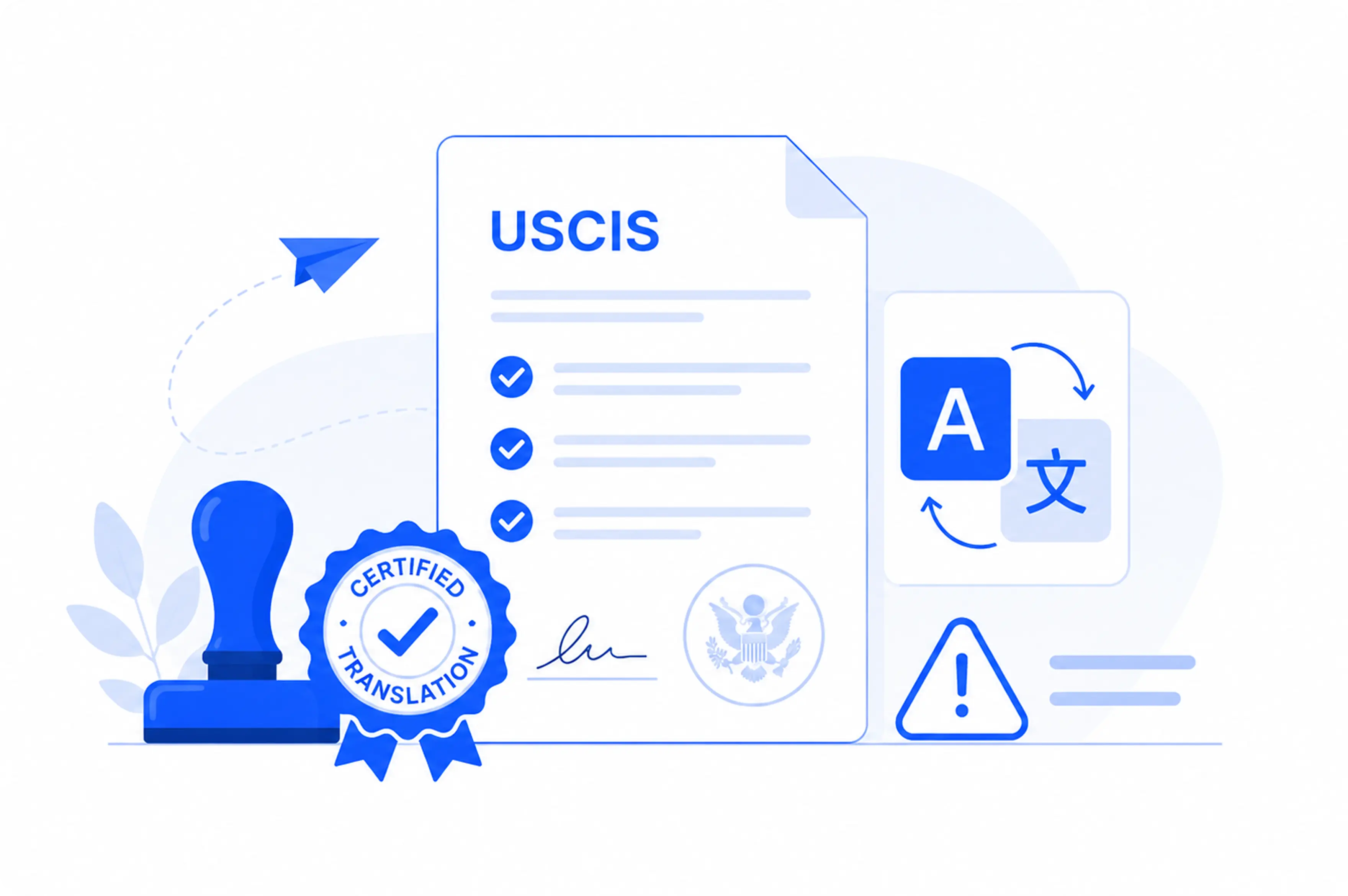
USCIS generally requires certified English translations for foreign-language documents including birth, marriage, and police certificates.
Before You File
✓ Review all signatures
✓ Confirm filing fees
✓ Organize relationship evidence
✓ Double-check translations
Processing Times
Processing times vary depending on:
Relationship category
USCIS workload
Service center
Immigration history
Some cases may move faster than others.


Step-by-step filing guides designed for families.

Instant digital access after checkout
